What the CDC says
The CDC explains that stress hormones make blood sugar rise or fall unpredictably, that stress from being sick or injured can make blood sugar go up, and that long-term stress can lead to other health problems. When you’re stressed, you may also not take care of yourself as well as usual.
The stress-craving loop
Stress pushes many people toward sweets and comfort food, which spikes glucose, which leads to a crash, which leads to more cravings. Breaking that loop is half the battle (cravings guide).
8 ways to lower stress
- Take a 10-minute walk, ideally outdoors (exercises).
- Try slow breathing: in for 4, out for 6, for 2 minutes.
- Protect 7-9 hours of sleep (sleep).
- Limit caffeine late in the day.
- Write down what’s worrying you, then one next step.
- Talk to a friend or join a support group.
- Keep regular meal times.
- Learn more coping tips at MedlinePlus: stress.
When to get help
If stress, anxiety or low mood are hard to manage, talk to your doctor. The CDC notes that people with diabetes are 2 to 3 times more likely to have depression, and treatment is usually very effective.
A 5-minute reset
- Sit or stand comfortably and drop your shoulders.
- Breathe in through your nose for 4 counts.
- Breathe out slowly through your mouth for 6 counts.
- Repeat 10 times.
- Finish with a glass of water and a 2-minute walk.
Use it before meals, after a stressful call, or when a sugar craving hits.
One less thing to think about
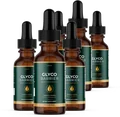
A simple routine reduces daily decisions. Glyco Barrier is two droppers a day, so your blood sugar support is on autopilot. Try Glyco Barrier.
Frequently asked questions
Can stress raise blood sugar?
Yes. The CDC says stress hormones can make blood sugar rise or fall unpredictably.
How fast can stress affect blood sugar?
Stress hormones act quickly, and long-term stress affects habits too.
What is the fastest way to calm stress?
Slow breathing and a short walk are quick and simple.
Sources
General information, not medical advice. Prices and product details come from the official Glyco Barrier pages, checked October 29, 2026; the checkout page and the label on your bottle take priority. Read our disclaimer.